
Recovery from a work injury does not always end with a clean bill of health. For a firefighter, police officer, deputy, or other first responder, treatment may eventually reach a point where doctors do not expect substantial additional improvement, even though pain, limited movement, reduced strength, or other problems remain.
In California workers’ compensation, that point is generally called maximum medical improvement (MMI) or permanent and stationary (P&S) status. It matters because the focus of your claim begins to change. Instead of dealing primarily with how long you need treatment or temporary disability benefits, our work comp lawyer in San Diego can help evaluate the limitations your injury has left behind and whether they qualify you for permanent disability benefits.
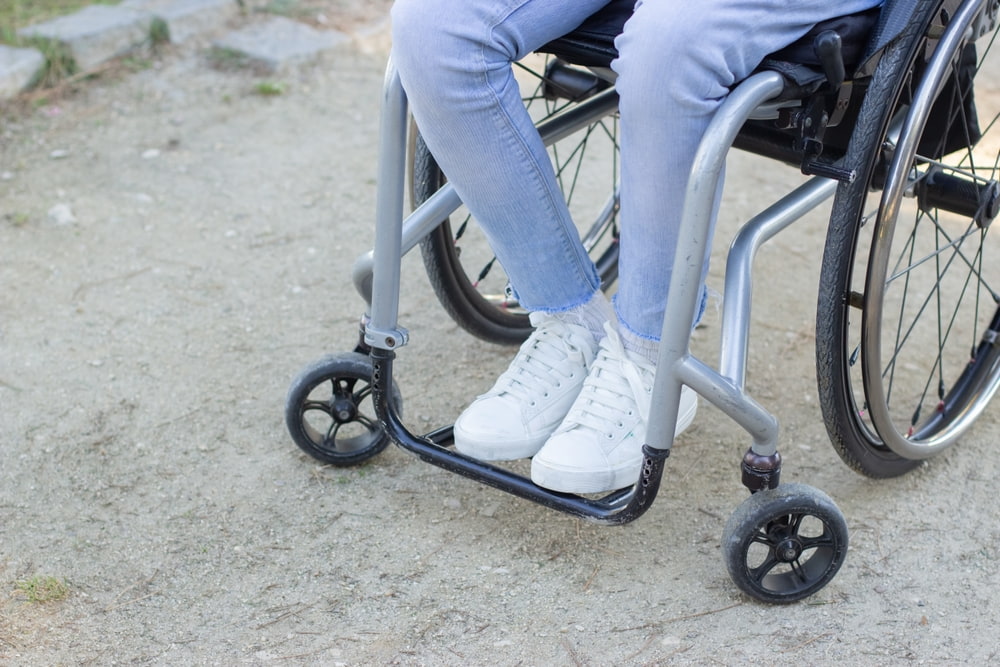
What does reaching MMI mean for your workers’ comp claim?
Reaching MMI means your condition has stabilized enough for a doctor to evaluate its lasting effects. It does not necessarily mean you have fully recovered or will never need medical treatment again.
The California Division of Workers’ Compensation treats P&S and MMI as the stage when a physician can determine whether a work injury caused permanent disability. At that point, your doctor prepares a final evaluation addressing the medical issues that remain.
For a first responder, that report may become especially important when an injury leaves limitations that interfere with physically demanding duties. A shoulder injury might affect lifting or defensive tactics. A knee or back condition may limit running, climbing, prolonged standing, or carrying equipment.
The report should do more than state that you have reached MMI. It can address:
- Your level of permanent impairment
- Permanent work restrictions
- Whether you need future medical care
- Whether you can return to your usual job
- Whether another cause contributed to your permanent disability
How is permanent disability calculated in California?
Permanent disability starts with the medical evidence, but the doctor does not simply choose the final percentage you receive. Your treating physician, QME, or agreed medical evaluator (AME) may assign an impairment rating based on the lasting effects of the injury. California then uses that medical information as part of the permanent disability rating process.
The final rating takes several factors into account, including your impairment, age, occupation, and date of injury. Your occupation matters because California’s rating system recognizes that the same physical limitation does not affect every type of work in the same way.
That can become particularly relevant for first responders. A limitation that might have little effect on sedentary work could create significant problems when your regular duties require repeated lifting, running, kneeling, climbing, driving, restraining suspects, wearing heavy equipment, or responding quickly in unpredictable conditions.
Permanent disability benefits may also be available even when you return to work. California does not require you to be completely unable to work before a lasting impairment can qualify as permanent disability.
Why does apportionment matter to your permanent disability rating?
Apportionment determines how much of your permanent disability the medical evidence attributes to your work injury and how much, if any, it attributes to other causes. This issue often becomes one of the most important parts of a final medical report. An evaluator may look at previous injuries, preexisting conditions, and other factors that may have contributed to your permanent disability.
That does not mean the existence of an earlier condition automatically eliminates or dramatically reduces your claim. The physician must explain the medical basis for the apportionment opinion.
For first responders, the distinction can matter when years of physically demanding work overlap with a prior injury or degenerative findings on imaging. A report that simply points to age or a preexisting condition without adequately explaining how it contributed to the current permanent disability may become disputed.
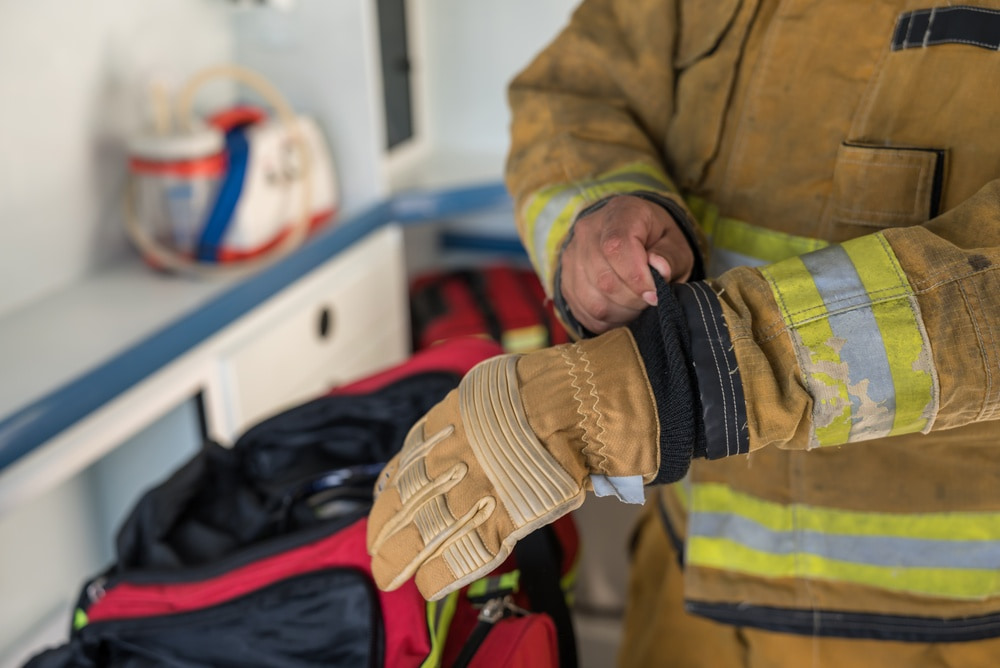
Where can I find a work comp lawyer in San Diego with experience in permanent disability issues?
Reaching MMI can change the direction of your work comp claim, and our resourceful team at Golden State Workers Compensation can review the medical evidence, identify problems with your permanent disability evaluation, and help protect the benefits available to you. If you serve as a first responder in San Diego County, we can also explain how a QME can address conflicting medical opinions when doctors disagree about your condition or limitations. If the dispute involves care you still need, understanding what to do when work comp refuses to authorize treatment can help you prepare for the UR and IMR process.
Permanent disability disputes can affect your benefits, future treatment, and ability to return to your regular duties. Contact our team for a free case review and find out what steps you can take to protect your claim. Contact us today!