Will First Responders in San Diego Get Work Comp If the Accident Was Their Fault

First responders routinely make decisions in situations where there is little time to stop and consider every possible risk. A police officer may misjudge a movement during an arrest, a firefighter may lose footing while moving equipment, or a paramedic may injure a shoulder while repositioning a patient. Even when the first responder contributed to the accident, that does not automatically prevent a workers’ compensation claim.

California workers’ compensation is generally a no-fault system. The central issue is usually whether the injury arose out of and occurred in the course of employment—not whether you performed every part of the job perfectly. Our workers’ comp lawyers in San Diego can review the circumstances of a first responder injury and explain how California workers’ compensation rules apply.

Can serious misconduct affect my workers’ comp benefits

Can I get workers’ comp if the accident was my fault?

In many cases, yes. You ordinarily do not have to prove that your department, agency, or another person caused the accident before receiving workers’ compensation benefits. Likewise, making an ordinary mistake while performing your duties does not necessarily make the injury noncompensable.

For a San Diego first responder, that could include an injury that occurs after you:

  • Misjudge your footing while responding to an emergency
  • Use poor lifting technique while assisting a patient
  • Make an error during tactical or physical training
  • Lose control while carrying or moving equipment
  • Contribute to a collision while driving as part of your job duties

Does a mistake during an emergency response defeat my claim?

Not simply because a better decision could have been made. Emergency response work often requires quick judgments under stressful and unpredictable conditions. Workers’ compensation does not generally operate like a negligence lawsuit in which the parties must establish who was most responsible for causing the accident.

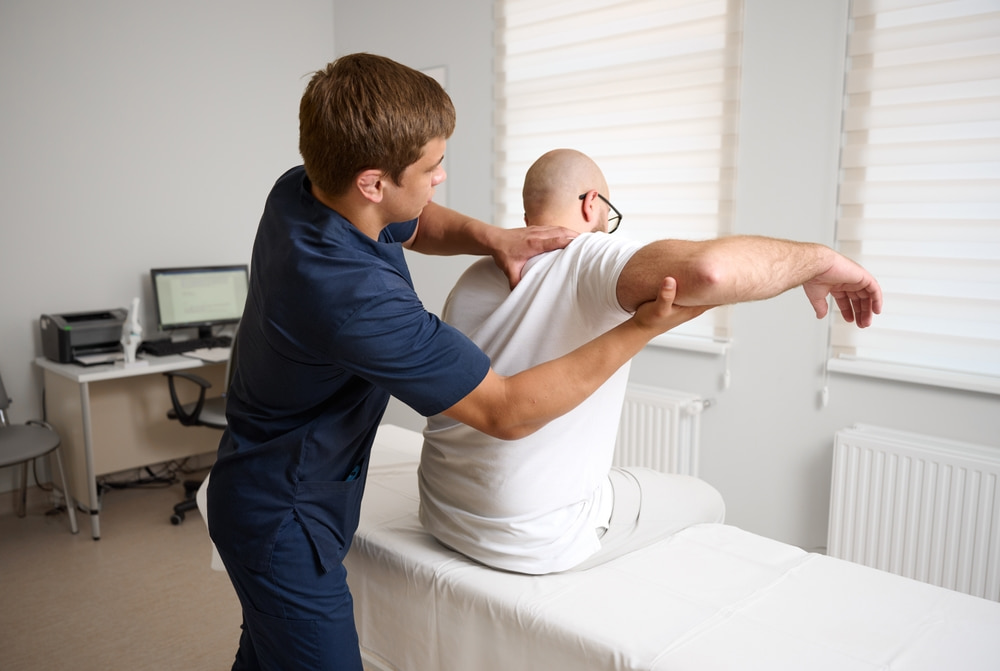
For example, a paramedic who strains a back while hurriedly moving a patient may still have a workers’ compensation claim even if a different lifting technique might have prevented the injury. A firefighter who slips while repositioning a hose does not automatically lose coverage because greater caution might have prevented the fall.

What if I violated a department policy or safety procedure?

A policy violation can make the situation more complicated, but it does not automatically eliminate workers’ compensation benefits. Your employer might conduct an internal review of what happened or determine whether departmental rules were followed. That employment issue is not necessarily the same as deciding whether the resulting injury is covered under workers’ compensation.

An allegation that you did any of the following does not, by itself, establish that your work injury is excluded from coverage:

  • Failed to follow an internal procedure
  • Used equipment incorrectly
  • Took an unauthorized shortcut
  • Made a poor tactical decision
  • Violated a safety instruction

Can serious misconduct affect my workers’ comp benefits?

Yes, but California draws a distinction between an ordinary mistake and serious and willful misconduct. Under California law, compensation can be reduced by 50% in qualifying cases when the employee’s own serious and willful misconduct caused the injury. The statute also contains exceptions to that reduction.

That is considerably different from simply being careless, making the wrong judgment during an emergency, or failing to follow an instruction. So, if your claim is being challenged because someone says the accident was “your fault,” we would want to know exactly what conduct is being alleged rather than assuming that any workplace mistake triggers the serious-and-willful rule.
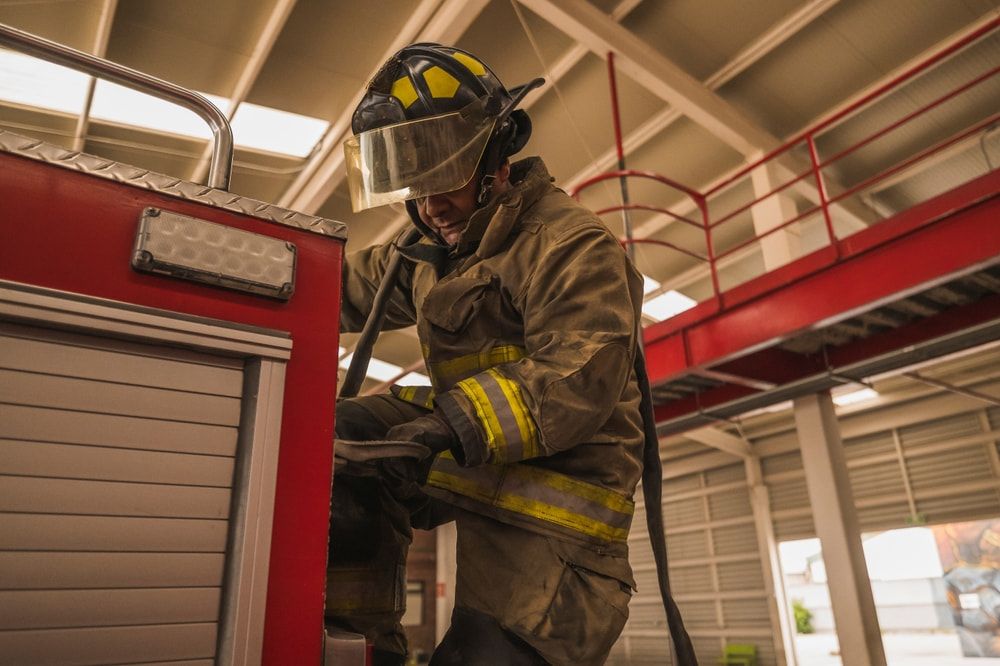
Can I get workers’ comp if the accident was my fault

How can assertive workers’ comp lawyers in San Diego help when fault is being used against me?

Being blamed for a workplace accident does not automatically decide whether you qualify for workers’ compensation. Our team can review what happened, separate an internal finding of fault from the legal standards that govern your claim, and determine whether any claimed exception actually applies.

For first responders in Emerald Hills and across San Diego County, we can also explain whether filing a claim puts your job at risk, what you can do if your employer lacks work comp coverage, and much more. Get in touch with our team to arrange a free consultation, and we’ll show you what we can do for you. Time is of the essence, so call us ASAP!


Will Workers’ Comp Reimburse Medical Travel Expenses for San Diego First Responders

Recovering from a duty-related injury can mean more than one trip to a doctor. San Diego first responders may need repeated appointments with specialists, physical therapists, diagnostic facilities, pharmacies, or other medical providers while a workers’ compensation claim remains open. Fuel, parking, tolls, and other transportation costs can add up quickly when treatment continues for weeks or months.

California workers’ compensation provides reimbursement for reasonable travel expenses connected to treatment for a work injury. A workers’ compensation lawyer in SD from our team can review unpaid medical travel expenses and other benefit issues when reimbursement requests are delayed, underpaid, or disputed.

Will I be reimbursed for travel expenses related to my medical treatment

Will I be reimbursed for travel expenses related to my medical treatment?

Generally, yes. If you need to travel for treatment of a compensable work injury, reasonable transportation expenses can qualify for reimbursement through workers’ compensation.

For a San Diego first responder, reimbursable trips may include travel to:

  • Your treating physician
  • Specialists
  • Physical or occupational therapy
  • Hospitals or diagnostic facilities
  • A pharmacy for work-injury prescriptions
  • Certain medical-legal appointments connected to the claim

The travel must be reasonably connected to your work injury and the medical care or evaluation involved.

How much can I receive for medical mileage?

For qualifying travel on or after July 1, 2026, California’s workers’ compensation medical mileage rate is 76 cents per mile. The rate is based on the date you traveled, not the date you were injured. That can matter for first responders whose treatment continues across different calendar periods because mileage rates can change.

For example, a 30-mile round trip to physical therapy may qualify for reimbursement based on the rate in effect on the day of that appointment. Repeated trips over several months can make accurate travel records especially important.

What other travel expenses may be covered?

Mileage is not the only expense that may qualify. California’s current medical mileage form also accounts for parking and toll costs, and DWC recognizes other reasonable treatment-related travel expenses.

Keep receipts when possible, particularly for parking, tolls, or other costs that aren’t based on distance traveled.

How should I track travel for my workers’ comp claim?

Do not rely on memory after months of appointments. Keeping a running record makes it easier to prepare an accurate reimbursement request.

California DWC’s medical mileage expense form asks for information including:

  • The date of the trip
  • Where you traveled from
  • The doctor, hospital, therapist, or other destination
  • Round-trip mileage
  • Parking expenses
  • Toll expenses

Keep copies of appointment information and receipts with your mileage records. If you regularly travel for therapy or follow-up appointments, updating the log after each trip can prevent missing expenses later.

What if my medical travel expenses are not reimbursed?

Start by checking whether the reimbursement form contains complete trip information and whether any necessary receipts were attached. Also confirm that the request was sent to the correct insurer or claims administrator.

California’s current mileage form tells injured workers to keep a copy of the request. It also directs workers to contact a DWC Information and Assistance officer if travel costs have not been paid within 60 days.

A delayed payment may result from missing information, questions about whether the travel was related to authorized treatment, or a disagreement over the amount owed. Repeated trips for medical care can create meaningful out-of-pocket costs over the course of a first responder’s claim.

How should I track travel for my workers’ comp claim

Which workers’ compensation lawyer in SD should I contact to review my unpaid travel expenses?

Repeated treatment trips can leave San Diego first responders paying out of pocket for costs that may be reimbursable through the claim. If you serve in Encanto or elsewhere in the area, our team can review travel logs, receipts, reimbursement requests, and claim correspondence to identify what may still be owed.

We can also explain when a first responder can choose a workers’ comp doctor and who should pay medical bills after a duty-related injury. Let’s set up a free consultation at our office so we can discuss your claim, unpaid treatment-related travel expenses, and the next steps to take. Contact us today!

Who Pays Medical Bills After a First Responder Is Injured at Work in San Diego

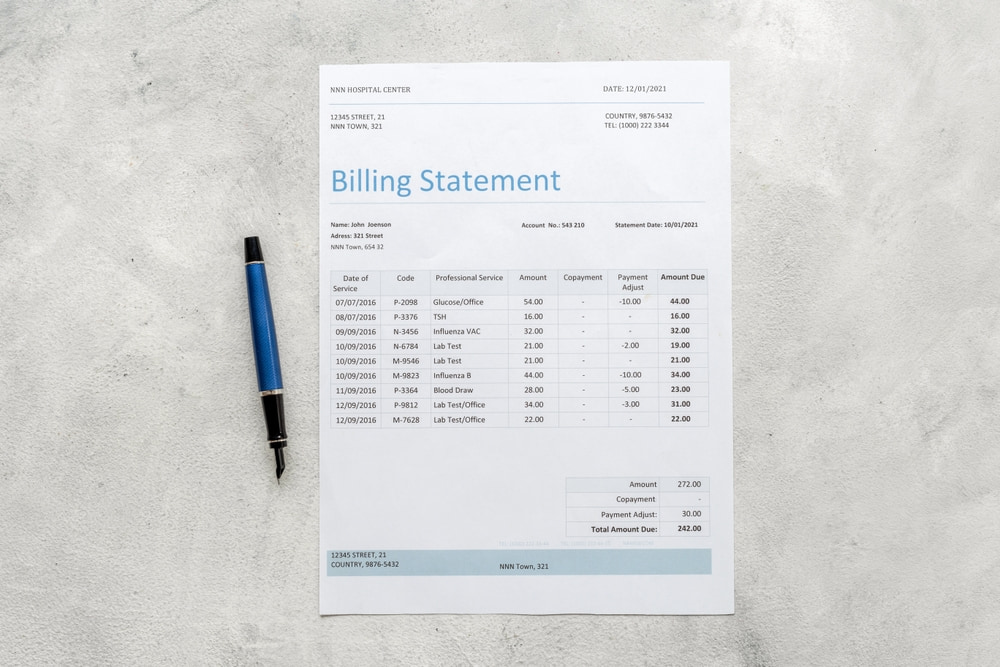
A serious injury can send a first responder from an emergency scene to the emergency room with little time to think about billing or insurance. Later, additional treatment may involve specialists, diagnostic testing, physical therapy, prescriptions, or follow-up care. The cost can become substantial, but an injured first responder generally should not have to pay authorized workers’ compensation medical bills out of pocket.

California workers’ compensation requires employers to provide reasonable medical care for work-related injuries and illnesses. The claims administrator typically handles payment to medical providers on the employer’s behalf. Our workers’ comp lawyer in San Diego can help first responders address issues with medical benefits when treatment bills are delayed, disputed, or sent to the injured worker.

Who pays my medical bills after a work injury

Who pays my medical bills after a work injury?

Your employer is responsible for workers’ compensation medical care for a qualifying work injury, either through workers’ compensation insurance or an authorized self-insurance arrangement. The claims administrator generally pays the medical providers handling your authorized treatment.

Workers’ compensation medical care normally does not involve the deductibles or copays you might expect with ordinary health insurance.

Covered treatment can include care that is reasonably required to cure or relieve the effects of the work injury, such as:

  • Emergency treatment
  • Doctor and specialist visits
  • Hospital care
  • Diagnostic testing
  • Prescription medication
  • Physical or occupational therapy
  • Other authorized treatment related to the injury

What happens if I need emergency treatment before my claim is approved?

First responders do not always have the option to wait for workers’ compensation paperwork before receiving care. A serious injury may require immediate treatment at an emergency room or other medical facility. Tell the provider that the injury occurred at work and give them your employer’s workers’ compensation information when it becomes available.

After you file a DWC-1 claim form, the claims administrator generally must authorize appropriate medical treatment within one working day, even while the claim is still being investigated. California allows up to $10,000 in treatment during that investigation period. That means a pending claim decision does not necessarily require you to postpone necessary medical care.

Should a medical provider bill me directly?

Generally, no. California DWC states that a physician or medical facility can’t bill an injured worker when the provider knows the injury is or may be work-related.

If you receive a bill, do not assume that you are personally responsible for paying it. Check whether the provider has your correct claim information and knows that the treatment involves a workplace injury.

You may need to provide:

  • Your employer’s information
  • The date of injury
  • Your workers’ compensation claim number
  • The claims administrator’s contact information
  • Any authorization information connected to the treatment

Keep a copy of the bill and any correspondence showing that you notified the provider or claims administrator about the problem.

What if the claims administrator refuses to pay for treatment?

A payment problem can arise for different reasons. The claims administrator may dispute whether treatment was authorized, whether it is related to the work injury, or whether the recommended care is medically necessary under workers’ compensation rules.

That does not necessarily mean the injured first responder becomes responsible for the bill. Start by determining why payment was denied or delayed and whether the provider submitted the bill correctly. If the dispute concerns authorization or medical necessity, different workers’ compensation procedures may apply.

Keep treatment authorizations, medical reports, benefit notices, and correspondence from the claims administrator. Those records can help identify whether the issue involves the provider’s billing or a broader dispute over your medical benefits.

What happens if I need emergency treatment before my claim is approved

Which workers’ comp lawyer in San Diego can review my unpaid medical bills? 

If you were injured while on first-responder duty in Logan Heights or any other part of the wider San Diego area, our team is here to carefully review your claim. Unpaid or misdirected medical bills should not be ignored. We can go over your treatment records, billing notices, and claim information to determine why covered care has not been paid and what steps may be available.

We can also explain how first responders can change their work comp doctor and which medical travel expenses qualify for reimbursement. Set up a free initial consultation concerning your treatment costs, details of your workers’ compensation claim, and what comes next. Let’s talk today!

Can First Responders in San Diego Choose Their Own Work Comp Doctor?

A workers’ compensation doctor does more than diagnose an injury and recommend treatment. The physician may also determine work restrictions, document whether you can perform modified duty, and report on your recovery. For San Diego first responders whose jobs involve demanding physical duties, those medical decisions can have a direct effect on when and how they return to work.

California gives injured employees some ability to choose or change treating physicians, but the options depend on how the employer provides workers’ compensation medical care. Our workers’ comp attorneys in San Diego can review the medical-care arrangement in your claim and help determine whether you have the right to select a different doctor.

Can I choose my own work comp doctor

Can I choose my own work comp doctor?

In some cases, yes. While California workers’ compensation doesn’t always let you immediately choose any physician you want, you may have options depending on how your medical care is being provided.

Your ability to select a doctor can depend on whether you predesignated a personal physician before the injury, whether your employer uses a Medical Provider Network (MPN) or Health Care Organization (HCO), and how long you have been treating under the workers’ compensation system.

What determines which workers’ comp doctor you can see?

The rules depend largely on the medical-care arrangement that applies to your claim. If you properly predesignated a personal physician or medical group before the injury, you may be able to treat with that provider from the beginning of the claim.

If your employer uses an MPN, your treatment will generally take place within that network unless an exception applies. You may still have a choice among physicians who participate in the MPN.

When there is no MPN or HCO, and you did not predesignate a physician, the claims administrator generally has the right to select your treating doctor during the first 30 days after your employer learns of the injury. After that period, you may generally choose a physician or medical facility within a reasonable geographic area.

Can a San Diego first responder change treating physicians?

Yes, changing doctors may be possible even after treatment has already started. If you are treating within an MPN, you can generally choose another physician in the network after the initial examination. Additional reasonable changes within the MPN may also be allowed.

That can be important when you believe another doctor may be better suited to treat the type of injury involved or understand the physical demands of your position. Treatment outside the MPN is more limited. Simply preferring a doctor who is not in the network does not automatically give you the right to transfer your workers’ compensation care to that physician. An exception or another applicable rule generally must allow the outside treatment.

What should you check before switching work comp doctors?

Before changing physicians, first determine which rules apply to your claim. A change that is not properly authorized can create unnecessary disputes about treatment or payment.

Useful questions to check include:

  • Does your employer use an MPN or HCO?
  • Is the doctor you want to see part of the applicable network?
  • Did you validly predesignate a personal physician before the injury?
  • Has the initial 30-day period passed if no MPN or HCO applies?
  • Does the claims administrator require a specific process for requesting a change?

For San Diego first responders, the treating physician may influence not only medical care but also work restrictions, modified-duty recommendations, and decisions about returning to full duty. Confirming that a doctor change follows the workers’ compensation rules can help protect continuity of care and reduce avoidable disputes during the claim.

Can a San Diego first responder change treating physicians

Which workers’ comp attorneys in San Diego can help me change a doctor mid-treatment?

A disagreement over your treating physician can affect more than where you receive care. It may also influence treatment recommendations, work restrictions, and your ability to return to duty. First responders in Sherman Heights and throughout San Diego can turn to our attorneys for help reviewing doctor-selection rules and addressing problems with a requested change.

Our team can also clarify who is responsible for work-injury medical bills and which treatment-related travel expenses are reimbursed. Contact us for a free consultation to discuss your medical care and the next steps in your workers’ compensation claim. Call our office today!

What Happens at a Workers’ Comp Hearing? A Guide for San Diego First Responders

A workers’ compensation hearing can sound intimidating, especially if you have never been involved in a legal proceeding before. But California workers’ comp hearings are not the same as a traditional civil courtroom trial, and not every hearing involves testimony or ends with the judge issuing an immediate decision.

For San Diego first responders, a hearing may involve disputes over whether an injury is compensable, disability benefits, medical issues, work restrictions, or other unresolved parts of the claim.

Our workers’ compensation attorneys in SD prepare you for what to expect, organize the issues that need to be addressed, and represent your position before the Workers’ Compensation Appeals Board.

What happens at a workers’ comp hearing

What happens at a workers’ comp hearing?

It depends on what type of hearing has been scheduled. A workers’ compensation case may first be set for a Mandatory Settlement Conference (MSC). At the conference, the parties appear before a workers’ compensation judge and discuss the disputed issues. One purpose is to determine whether the case can be resolved without going to trial.

If the parties cannot reach an agreement, the remaining issues are identified, and the case may be scheduled for trial. California DWC explains that testimony is not normally taken at a conference. A trial, on the other hand, can involve witness testimony, documents, medical reports, and other evidence before the judge makes a decision.

What happens at a Mandatory Settlement Conference?

An MSC is largely about defining the dispute and determining whether the parties can resolve it. The judge may discuss the issues with both sides and encourage settlement. If no agreement is reached, the parties generally identify the matters that still need to be decided and the evidence or witnesses they intend to rely on at trial.

That can include disagreements about:

  • Whether the injury is work-related
  • Temporary or permanent disability
  • Wage or benefit calculations
  • Medical evidence
  • Work restrictions
  • Other benefits or disputed parts of the claim

For a first responder, the dispute may also involve issues specific to public safety employment, such as salary continuation or occupational presumptions. The conference is important even when the case does not settle because it helps define what will actually be contested at trial.

What happens if my case goes to trial?

A California workers’ compensation trial takes place before a workers’ compensation judge, not a jury. At trial, the parties can present the evidence needed to support their positions. That may include medical reports, employment records, payroll information, other documents, and witness testimony. California WCAB rules require the parties to bring the evidence necessary to prove their claim or defense.

You may also be asked to testify about matters such as how the injury occurred, your job duties, symptoms, treatment, work restrictions, or another disputed fact. The judge considers the evidence and arguments and later issues a written decision. DWC notes that the decision is typically sent after trial rather than announced immediately in the hearing room.

Do I have to attend the workers’ comp hearing?

You should assume that your attendance is required unless your attorney or the WCAB tells you otherwise. California WCAB rules require parties to appear, or have an attorney or other authorized representative appear, at hearings involving the main case unless the appearance has been excused. DWC also warns that failing to attend a required conference or hearing can delay the case and, in some circumstances, create more serious problems.

What happens if my case goes to trial

Which workers’ compensation attorneys in SD have experience representing first responders at a hearing?

First responders serving Shelltown and communities across San Diego deserve to know what is coming before they walk into a WCAB proceeding. Our attorneys prepare your case, organize the evidence, explain your role, address the disputed issues, and represent your position through conferences, trial, and other stages that may require a formal appearance.

A hearing is only one part of the broader claim process. Understanding how long a claim can take from filing to decision and what to do after a workers’ comp claim is denied can help you see how each stage fits together. Schedule a free consultation with our team, and we’ll help you prepare for the proceeding, understand what is at stake, and move into the next stage of your claim with a clear plan.

Work Comp Claim Denied? How San Diego First Responders Can Challenge the Decision

A denied workers’ compensation claim can feel like the end of the road, especially when you are already dealing with an injury, medical treatment, and time away from duty. But a denial does not necessarily mean you have run out of options.

The claims administrator may dispute whether the injury occurred at work, question the medical evidence, argue that a condition is not job-related, or rely on another reason for refusing benefits. The next step depends heavily on why the claim was denied and what evidence can address that issue.

Our workers’ compensation lawyers in SD review denial notices, medical records, employment evidence, and claim deadlines to determine how the decision can be challenged and what needs to happen next.

Why was your first responder work comp claim denied

What if my claim is denied—can I appeal?

Yes. California DWC states that an injured worker has the right to challenge a denied workers’ compensation claim. Technically, challenging the initial denial is not always the same as filing an “appeal” from a judge’s decision. Depending on where the case stands, you may need to obtain additional medical evidence, open a case with the Workers’ Compensation Appeals Board, or take other steps to dispute the claims administrator’s decision. The most important thing is not to ignore the denial letter. It should explain why the claim was rejected and provide information about your rights and the next steps available.

Why was your first responder work comp claim denied?

Understanding the reason for the denial helps determine what evidence may be needed to challenge it.

Common disputes can involve:

  • Whether the injury happened in the course of your employment
  • Whether your work actually caused or contributed to the condition
  • Whether the injury was reported or claimed on time
  • Conflicting medical evidence
  • Questions about a pre-existing condition
  • Insufficient documentation connecting an occupational illness or cumulative injury to the job

For first responders, a denial may also involve disagreement over whether an occupational presumption applies or whether the evidence satisfies the requirements for a particular condition.

How do you formally challenge a denied claim?

If the denial cannot be resolved informally, the dispute may need to be brought before the Workers’ Compensation Appeals Board. California DWC explains that an injured worker generally begins by filing an Application for Adjudication of Claim. That opens a case with the WCAB and gives the matter an ADJ case number.

From there, additional filings may be required before the dispute is scheduled for a conference or hearing. You should pay close attention to the deadlines identified in your denial notice and other claim documents. Waiting too long can make an already difficult dispute harder to correct.

How should you respond to the reason given for the denial?

The right response depends on why the claim was denied. A denial based on medical causation may require stronger medical support connecting the condition to your work. A denial involving late reporting or filing may turn on when the injury was discovered, when it was reported, and whether an exception applies.

If the dispute concerns whether the injury happened in the course of employment, the focus may shift to duty records, incident details, assignments, or other facts showing what you were doing when the injury occurred. For occupational illnesses or cumulative conditions, the response may depend more heavily on the timeline of your duties, exposures, and symptoms.

The goal is not to challenge every possible issue at once. Our attorneys identify the specific basis for the denial and build the response around the medical, factual, and procedural points that matter most.

How do you formally challenge a denied claim

How can I get in touch with workers’ compensation lawyers in SD who can challenge a denied claim?

If your workers’ compensation claim was denied in Southcrest or elsewhere in San Diego, our attorneys can review the denial notice, identify the reason benefits were refused, and determine what medical, factual, or procedural issues need to be addressed.

Our team can also explain how long a claim may take from filing to decision and what happens at a workers’ comp hearing if the dispute moves into the WCAB process. Book a free consultation at our office, and we’ll help you understand the denial, protect important deadlines, and take the next steps toward challenging the decision. Give us a call without delay!

From Filing to Decision: How Long Does a Workers’ Comp Claim Take in San Diego?

After filing a workers’ compensation claim, one of the first questions injured first responders have is how long they will have to wait for an answer. The uncertainty can be especially difficult when you are off duty, receiving medical treatment, or depending on benefits to replace part of your income.

California sets several deadlines during the early stages of a claim, but there is no single timetable that tells you exactly when the entire case will be finished. An uncomplicated claim may move relatively quickly, while disputes over medical evidence, work-relatedness, disability, or benefits can extend the process considerably.

Our team provides workers’ compensation legal help in San Diego that first responders can rely on to track important deadlines, respond to delays, and keep the claim moving through each stage.

How long does workers' comp take

How long does workers’ comp take?

There is no fixed amount of time for every California workers’ compensation claim. One important deadline is the initial claim investigation period. After you submit a completed DWC-1 claim form, the claims administrator investigates whether the injury should be accepted as work-related.

California DWC states that you should generally receive a letter about the status of the claim within 14 days. If the employer does not deny the claim within 90 days after receiving the completed claim form, the injury is generally presumed compensable under California workers’ compensation law.

That 90-day period does not mean every case will be completely resolved within three months. It primarily concerns whether the employer accepts or denies liability for the injury. Medical treatment, disability benefits, permanent impairment, and settlement issues may continue long after the initial claim decision.

What happens while the claim is being investigated?

You do not necessarily have to wait until the investigation ends before receiving medical care. Once you file the DWC-1, California law requires appropriate medical treatment to be authorized within one working day. While the employer or claims administrator investigates the claim, up to $10,000 in treatment may be available under workers’ compensation medical-treatment guidelines.

During the investigation, the claims administrator may review:

  • The injury report and DWC-1 form
  • Medical records and physician opinions
  • Statements about how the injury occurred
  • Employment and duty records
  • Witness information
  • Prior medical history when relevant
  • Evidence connecting an occupational illness or cumulative injury to the job

A straightforward traumatic injury with clear reporting and medical documentation may require less investigation than a condition that developed gradually or where the employer disputes whether work caused the injury.

Why do some workers’ comp claims take longer?

A number of issues can extend the timeline. Medical disagreements are one common reason. The parties may disagree about whether an injury is work-related, whether you have recovered enough to return to duty, whether you have permanent impairment, or what medical treatment is necessary. Those disputes may require additional medical evaluations, including an examination by a Qualified Medical Evaluator or Agreed Medical Evaluator.

Claims involving cumulative trauma or occupational disease may also require a more detailed review of your employment history and medical evidence because there may be no single accident date or incident that establishes what happened.

For first responders, disputes can also involve occupational presumptions, salary-continuation benefits, work restrictions, or whether a particular condition falls within special protections available to qualifying public safety employees.

Why do some workers’ comp claims take longer

Where can first responders get workers’ compensation legal help in San Diego for a delayed claim?

If your workers’ compensation claim is dragging on in Jamacha or elsewhere in San Diego, our attorneys can review where the process stands, identify what may be causing the delay, and take action when deadlines, medical disputes, or claim decisions are holding things up.

We can also explain what to do if your work comp claim is denied and what to expect at a work comp hearing if the dispute moves further into the WCAB process. Contact our team for a free consultation, and we’ll help you understand the timeline, respond to the next development, and keep your claim moving toward a resolution. Time is of the essence—call us ASAP!

Building the Record: What Evidence Supports a San Diego First Responder Work Comp Claim

A workers’ compensation claim is easier to understand when the paperwork tells a consistent story. When you were injured, what you were doing, when you reported it, what symptoms developed, and what your doctor found can all become important if the insurance company questions whether the condition is work-related.

For San Diego police officers, firefighters, deputies, paramedics, and other first responders, useful evidence may come from more than a medical chart. Incident reports, duty records, witness accounts, training documents, and other records can help show what happened and how the injury connects to your job.

Our team provides workers’ comp legal help in San Diego by reviewing the available evidence, identifying gaps, and building a record that supports the facts behind your claim.

What evidence matters for an injury that develops over time

What evidence do I need to support my claim?

The evidence you need depends on the type of injury and what the claims administrator disputes, but medical records and documentation showing how the condition relates to your employment are usually central.

Useful evidence can include:

  • Medical reports and treatment records
  • Diagnostic tests and imaging
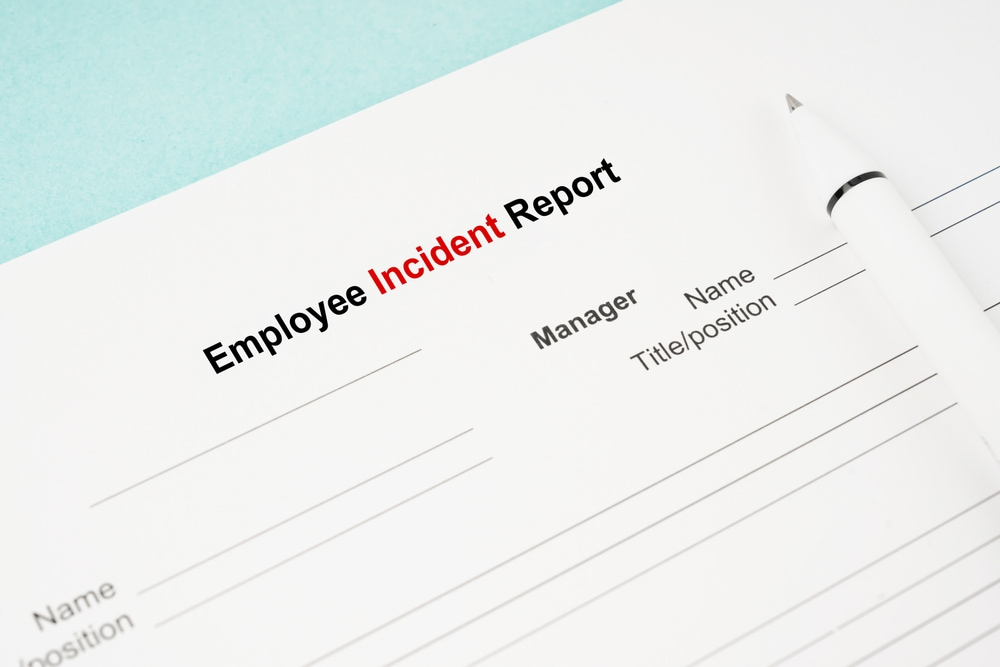
  • Incident or injury reports
  • Witness statements
  • Duty, dispatch, or training records
  • Work-status notes and restrictions
  • Photos or video connected to the incident
  • Correspondence with your department or claims administrator

You may not need every item on that list. A sudden injury during an emergency response will create a different record from hearing loss, repetitive trauma, or an occupational illness that develops over time. The goal is to establish a clear timeline between your work, the injury or exposure, your symptoms, and the medical care that followed.

Why are medical records so important?

Medical records help establish both what condition you have and how it relates to your work. Your treating physician’s reports can document your diagnosis, symptoms, treatment, physical limitations, and whether you can return to your normal duties. Test results such as X-rays or MRIs can provide additional objective information where appropriate.

Consistency matters as well. Tell your doctor how the injury happened, what duties you were performing, and when symptoms began. If the history in your medical records differs significantly from what you reported to your department or wrote on claim paperwork, the insurer may question the discrepancy.

What if there was no witness to the injury?

A lack of witnesses does not automatically prevent you from having a valid workers’ compensation claim. Many workplace injuries happen when no coworker is standing nearby. What matters is whether the available evidence supports your account of what occurred.

Prompt reporting can help. So can medical records created shortly after the injury, dispatch or duty records showing where you were assigned, photographs, equipment records, or messages sent to a supervisor.

What evidence matters for an injury that develops over time?

Cumulative injuries and occupational illnesses often require a different type of record because there may be no single accident to document. Medical records become especially important, but employment history can matter too. Records showing your assignments, job duties, years of service, physical demands, or occupational exposures can help provide context for how the condition developed.

For example, a first responder claiming hearing loss may need evidence of repeated occupational noise exposure rather than proof of one exceptionally loud incident. An orthopedic cumulative-trauma claim may involve years of physically demanding duties rather than one particular shift. The timeline should also show when you first noticed symptoms and when you learned or suspected that the condition was connected to your work.

What evidence do I need to support my claim

Where can first responders get tenacious workers’ comp legal help in San Diego?

First responders in Barrio Logan and throughout San Diego can turn to Golden State Workers Compensation when a claim depends on getting the facts and documentation right. Our team reviews medical records, incident reports, duty records, witness information, and other evidence that can help establish how the injury happened and how it connects to your employment.

We can also explain how to start a work comp claim and when reporting and filing deadlines apply so important paperwork and timing issues do not weaken your case. If the insurer is questioning the injury, the evidence feels incomplete, or you are unsure what records matter most, contact us for a free consultation. We’ll identify the gaps, organize the strongest supporting evidence, and help you move the claim forward. Call us today!

Don’t Miss the Deadline: When San Diego First Responders Must Report & File a Work Injury

A first responder may know immediately that an injury happened on duty, but not every work-related condition is that obvious. A firefighter can feel a back injury during a call, while a police officer may develop symptoms gradually after months or years of repetitive physical demands or occupational exposure. Either way, waiting too long to report the problem can create unnecessary trouble with the claim.

California workers’ compensation uses deadlines for notifying your employer and pursuing benefits. Missing one can give the claims administrator another reason to dispute whether the injury happened as reported or whether the claim was brought on time.

Our work comp lawyers in San Diego help first responders identify which deadlines apply, document when an injury or illness became work-related, and take action before valuable rights are put at risk.

What’s the deadline to report an injury or file a claim

What’s the deadline to report an injury or file a claim?

California DWC advises injured workers to report a job injury to their employer as soon as possible. If your employer does not learn about the injury within 30 days, you can risk losing workers’ compensation benefits, particularly when the delay prevents the employer from properly investigating what happened.

Reporting the injury is only one part of the process. You should also complete and return the DWC-1 claim form your employer provides. California DWC says returning that form opens the workers’ compensation case and starts the process of determining which benefits you may receive.

When does the 30-day reporting period start?

For a sudden injury, the timing may be straightforward. If you hurt your knee during a rescue, injure your shoulder in training, or suffer another identifiable accident, you generally know when the event occurred.

Gradual injuries and occupational illnesses can be more complicated. California DWC tells workers whose condition develops over time to report it once they learn or believe that the condition was caused by their job.

That distinction matters for first responders. Hearing loss, repetitive orthopedic conditions, occupational disease, or other conditions may not point back to one obvious shift. Do not assume that uncertainty about the exact date means you should wait. Once you suspect work is causing or contributing to the condition, reporting it creates a record and gives the employer an opportunity to investigate.

How long do you have to pursue a California workers’ comp claim?

California also has a statute of limitations for formally pursuing workers’ compensation benefits. Labor Code §5405 generally provides a one-year period, but determining when that period starts can depend on the circumstances.

The statute identifies several possible starting points, including the date of injury, the last payment of disability benefits, or the last date medical treatment benefits were furnished. California workers’ compensation decisions also recognize that the statute of limitations is an issue the employer must raise and prove when relying on it to defeat a claim.

For an obvious accident, identifying the injury date can be simple. With cumulative trauma or occupational disease, the legal date of injury may require more analysis because symptoms can develop before the worker understands that employment caused them. That is one reason first responders should avoid relying on a general “one year from the accident” rule without looking at the facts of their own case.

How long do you have to pursue a California workers’ comp claim

Which experienced work comp lawyers in San Diego handle filing deadline disputes?

If you serve in Skyline or elsewhere in San Diego, Golden State Workers Compensation can help you address reporting delays, filing concerns, and disputes over whether your claim was brought on time. Our team reviews the timeline, the notice given to your employer, and the documents already filed so we can identify what needs attention.

We can also explain how first responders start a work comp claim and what evidence helps support the claim once the case is underway. If you are unsure whether you reported an injury in time or whether a delay could affect your benefits, contact us for a free consultation. We’ll review the facts, explain your options, and help you take action before the issue becomes harder to resolve. Let’s talk today!

Hurt on Duty? How San Diego First Responders File a Work Comp Claim

An injury on duty can change your plans in an instant, but the workers’ compensation process does not start automatically just because your department knows something happened. Reporting the injury and completing the right claim paperwork are important early steps if you want to protect your right to medical treatment and other benefits.

For San Diego police officers, firefighters, deputies, paramedics, and other first responders, the circumstances surrounding an injury can vary widely. You might get hurt during an emergency response, training exercise, vehicle collision, physical confrontation, or routine station duty. Whatever caused the injury, our work comp attorneys in San Diego can help make sure your claim starts on solid footing and that problems with filing don’t create unnecessary complications later.

How do I file a workers' compensation claim

How do I file a workers’ compensation claim?

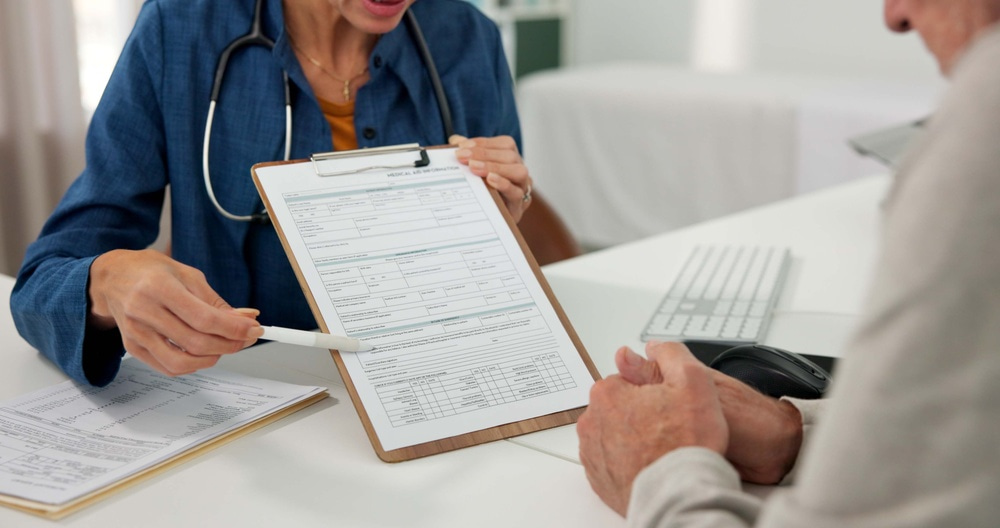
You start a California workers’ compensation claim by reporting the injury to your employer and completing a DWC-1 claim form. After your supervisor learns about the injury or illness, your employer has to give or mail you a claim form within one working day. If you do not receive one, you can download the DWC-1 form directly from the state or contact the DWC Information and Assistance Unit.

The employee section asks for basic information about you, your employer, when the injury happened, where it occurred, and what parts of your body were affected. Sign and date the form, keep a copy, and return it to your employer. If you send it by mail, California DWC recommends certified mail with return receipt requested so you have a record showing when the form was sent and received.

Is reporting the injury enough to start the claim?

Reporting the injury is important, but you should also complete and return the DWC-1 rather than assuming an incident report or conversation with a supervisor takes its place. The DWC specifically advises injured workers to file the claim form to protect their rights and start the workers’ compensation process. Once you return it, your employer completes its portion and sends the form to the work comp insurance company. You should receive a completed copy for your own records.

For first responders, there may already be departmental reports, supervisor notifications, medical documentation, or other paperwork surrounding an on-duty incident. Those records can be important, but they serve different purposes. Completing the claim form makes it clear that you are formally pursuing benefits for the work injury.

Keep copies of everything you submit. If questions arise later about when the claim was filed or what injury you originally reported, having your own records can make the timeline much easier to establish.

What happens after you return the DWC-1?

Once the completed claim form reaches your employer, the employer sends it to the insurance company or claims administrator for processing. California DWC generally requires the claims administrator to send you a letter within 14 days explaining the status of the claim. That notice should tell you whether the claim has been accepted or whether additional investigation is taking place.

Filing the DWC-1 can also affect access to medical treatment while the insurer investigates. DWC states that appropriate medical treatment generally must be authorized within one working day after a claim form is filed, and up to $10,000 in treatment may be available while the employer decides whether to accept or deny the claim. That makes filing more than an administrative formality. It can directly affect what happens while you are recovering and waiting for a claim decision.

What happens after you return the DWC-1

Which work comp attorneys in San Diego can help me file a first responder benefits claim?

If you were injured on duty, don’t let paperwork problems slow down your claim. From City Heights to communities across the county, Golden State Workers Compensation helps first responders report injuries, complete forms on time, and address filing issues before they create bigger problems. Our lawyers bring more than 50 years of combined experience and have recovered hundreds of millions of dollars in benefits for injured workers.

We can also explain when you need to report and file a work injury and what evidence can strengthen a first responder claim as the case moves forward. If you’re unsure whether your claim was filed correctly or the insurer has not responded as expected, we can help. We’ll review the paperwork, identify any gaps, and help you take the next step with confidence. Contact us for a FREE case evaluation today!