
A workers’ compensation claim is easier to understand when the paperwork tells a consistent story. When you were injured, what you were doing, when you reported it, what symptoms developed, and what your doctor found can all become important if the insurance company questions whether the condition is work-related.
For San Diego police officers, firefighters, deputies, paramedics, and other first responders, useful evidence may come from more than a medical chart. Incident reports, duty records, witness accounts, training documents, and other records can help show what happened and how the injury connects to your job.
Our team provides workers’ comp legal help in San Diego by reviewing the available evidence, identifying gaps, and building a record that supports the facts behind your claim.
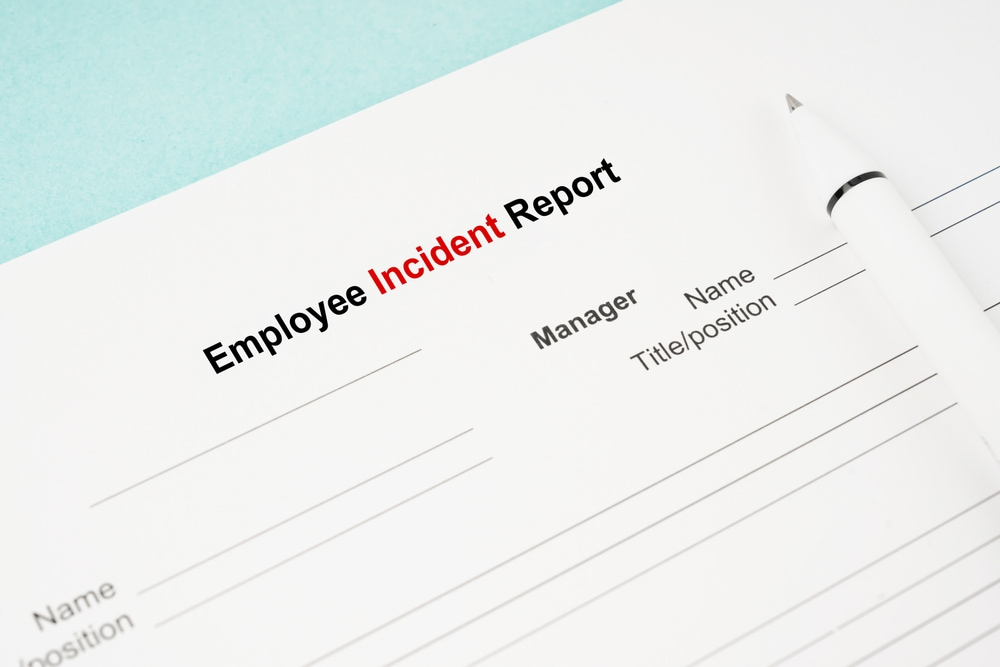
What evidence do I need to support my claim?
The evidence you need depends on the type of injury and what the claims administrator disputes, but medical records and documentation showing how the condition relates to your employment are usually central.
Useful evidence can include:
- Medical reports and treatment records
- Diagnostic tests and imaging
- Incident or injury reports
- Witness statements
- Duty, dispatch, or training records
- Work-status notes and restrictions
- Photos or video connected to the incident
- Correspondence with your department or claims administrator
You may not need every item on that list. A sudden injury during an emergency response will create a different record from hearing loss, repetitive trauma, or an occupational illness that develops over time. The goal is to establish a clear timeline between your work, the injury or exposure, your symptoms, and the medical care that followed.
Why are medical records so important?
Medical records help establish both what condition you have and how it relates to your work. Your treating physician’s reports can document your diagnosis, symptoms, treatment, physical limitations, and whether you can return to your normal duties. Test results such as X-rays or MRIs can provide additional objective information where appropriate.
Consistency matters as well. Tell your doctor how the injury happened, what duties you were performing, and when symptoms began. If the history in your medical records differs significantly from what you reported to your department or wrote on claim paperwork, the insurer may question the discrepancy.
What if there was no witness to the injury?
A lack of witnesses does not automatically prevent you from having a valid workers’ compensation claim. Many workplace injuries happen when no coworker is standing nearby. What matters is whether the available evidence supports your account of what occurred.
Prompt reporting can help. So can medical records created shortly after the injury, dispatch or duty records showing where you were assigned, photographs, equipment records, or messages sent to a supervisor.
What evidence matters for an injury that develops over time?
Cumulative injuries and occupational illnesses often require a different type of record because there may be no single accident to document. Medical records become especially important, but employment history can matter too. Records showing your assignments, job duties, years of service, physical demands, or occupational exposures can help provide context for how the condition developed.
For example, a first responder claiming hearing loss may need evidence of repeated occupational noise exposure rather than proof of one exceptionally loud incident. An orthopedic cumulative-trauma claim may involve years of physically demanding duties rather than one particular shift. The timeline should also show when you first noticed symptoms and when you learned or suspected that the condition was connected to your work.

Where can first responders get tenacious workers’ comp legal help in San Diego?
First responders in Barrio Logan and throughout San Diego can turn to Golden State Workers Compensation when a claim depends on getting the facts and documentation right. Our team reviews medical records, incident reports, duty records, witness information, and other evidence that can help establish how the injury happened and how it connects to your employment.
We can also explain how to start a work comp claim and when reporting and filing deadlines apply so important paperwork and timing issues do not weaken your case. If the insurer is questioning the injury, the evidence feels incomplete, or you are unsure what records matter most, contact us for a free consultation. We’ll identify the gaps, organize the strongest supporting evidence, and help you move the claim forward. Call us today!